

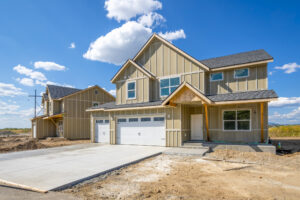
 Investing in single-family rental properties can be a compelling way to add rental inventory, but the financial case should remain the deciding factor. Compared with resale housing, a new build may require more capital at closing, yet it can offer benefits such as more customization options, improved energy efficiency, and reduced maintenance needs during the first years of ownership. The tradeoffs often include paid enhancements and less negotiating flexibility on the home itself. Before choosing between new and resale inventory, compare the pros and cons carefully to maximize your return on investment.
Why Consider New Construction for Your Rental Portfolio?
Purchasing new construction as a rental property can make sense for buyers looking for a property that is marketable with minimal post-closing work. Fresh finishes, current floor plans, and updated systems can make the property easier to present to prospective renters. When essential improvements are included before closing, out-of-pocket expenses are typically minimal before the owner begins regular rental operations.
When completion is on time, the path to occupancy can be more direct than with a property that needs extensive upgrades. Choosing upgrades with the target audience in mind can improve marketability, particularly when they involve smart home features. When the home is marketed around ease of use and security, smart thermostats and security systems can help attract renters who see connected features as part of a well-designed home.
Top Benefits of Energy-Efficient, Smart Homes for Renters
Being the first renter in a new home can be a persuasive benefit for prospects evaluating multiple choices. Attracting quality tenants is key to rental success. Current energy codes can benefit renters by supporting lower utility bills and greater environmental sustainability. Improved windows, appliances, and HVAC systems can strengthen both comfort and the perceived value of the rental.
The practical benefits of a new home can make new construction an appealing choice for rental property investors. The main caution is that build quality varies, and cost-cutting during construction may show up as future repairs.
When a defect affects the home, the investor may have to balance builder follow-up with the need to keep the property rent-ready. The investor may have choices, but each added option should be evaluated for rental value rather than personal preference.
Is New Construction the Right Investment for You in Today’s Market?
Investors focused on buying below market should evaluate whether a builder’s pricing structure supports that objective. The developer has to consider both project economics and the effect of each sale on future comps, which can reduce bargaining room.
A discount on one property can complicate pricing for the next release, which is why base prices may remain firm. If the builder will not discount the home directly, it remains wise to inquire about current incentives, closing cost assistance, or upgrades that may be available.
Before purchasing a new home as a rental property, weigh the pros and cons carefully. Validate assumptions with the local rental market, projected tenant demand, while testing the property’s features against the preferences of the renter demographic you want to reach. With the right purchase terms and a realistic leasing plan, new construction can deliver strong long-term returns.
Investor confidence improves when purchase decisions are backed by current data rather than broad assumptions. Owners assessing a potential rental in Tampa can use the local perspective available through Real Property Management Tampa St Pete. We perform market assessments for all potential rental properties, ensuring owners who partner with us have the tools and information they need to make the best investment decisions. For guidance on a property under consideration, contact us online.
This content is provided for general informational and educational purposes only and does not constitute financial, legal, tax, or investment advice. Readers should consult with licensed professionals regarding their specific circumstances.
We are pledged to the letter and spirit of U.S. policy for the achievement of equal housing opportunity throughout the Nation. See Equal Housing Opportunity Statement for more information.
